Most people planning a European trip consider the same three cities. Paris, Rome, and London. All worth visiting. All expensive in summer. All absolutely packed with people doing the exact same thing you’re doing, which somewhat defeats the point of going anywhere at all.
Here’s the thing about European travel that the big tourism boards don’t advertise. Some of the most interesting cities on the continent cost half as much to visit and receive only a fraction of the crowds. Not because they’re worse. It’s because they haven’t been algorithmically amplified yet.
Quick Answer: The most affordable European destinations without crowds sit in the Balkans, Eastern Europe, and southern Italy’s interior. Places like Plovdiv, Bulgaria; Kotor, Montenegro; Matera, Italy; Tbilisi, Georgia; and Porto’s lesser known neighbor Braga, Portugal. Accommodation runs 40 to 60 percent cheaper than Western European equivalents. Food is genuinely good, and you can still have a full travel experience without booking anything six months in advance.
Why the crowd problem is getting worse, not better
Venice now charges an entry fee on peak days. The trail to Trolltunga in Norway has waitlists. The most photographed spots in Santorini are managed with timed ticketing.
This isn’t a trend that’s reversing. The more a destination appears on social media, the more people go, the more prices rise, and the worse the experience gets for everyone. It’s a feedback loop that the tourism industry is aware of and largely fine with, because crowded destinations also generate the most revenue.
The travelers who noticed this first–the kind who were in Lisbon before it got expensive and in Tbilisi before it got discovered–didn’t find those places through Instagram. They followed curiosity and cost, two variables that still point toward genuinely good destinations.
Plovdiv, Bulgaria
Plovdiv is the second, largest city in Bulgaria and one of the oldest continuously inhabited cities in Europe. It hosted the European Capital of Culture title in 2019, got a wave of attention, and then mostly went back to being pleasantly overlooked.
The old town sits three hills above the Maritsa River and is genuinely stunning in the way that old European cities used to be before every surface got optimized for photographs. You’ll find cobblestone streets, Ottoman-era houses painted in faded blues and ochres, a Roman amphitheater that still hosts concerts, and a craft beer scene that nobody expected. Restaurants often serve a full dinner with wine for under 15 euros.
Accommodation runs between $25 and $60 per night for solid midrange options. Sofia is an hour away by bus if you want a big city day without staying there. The locals are used to some tourism but not saturated by it, which changes the entire feeling of the place.
Kotor, Montenegro
Montenegro as a whole is one of the most underrated countries for affordable vacation spots in Europe.
Kotor, a walled medieval city on a bay, is sometimes mistaken for a fjord. The water comes in from the Adriatic, and the limestone mountains rise on all sides. The old town is a UNESCO heritage site and small enough to walk in twenty minutes. Hike up to the fortress above the walls, and the view is the kind that makes you stop moving entirely.
High season (July and August) gets busy, and prices jump accordingly. Go in May, September, or October, and you’ll pay 30 to 40 percent less for accommodation, find restaurants with actual availability, and have sections of the walls to yourself.
Matera, Italy
Matera is in southern Italy’s Basilicata region, which is not a place most people can point to on a map. That’s roughly half of what makes it special.
The city is built into a ravine with cave dwellings that have been stacked on top of each other for 2,000 years. It was once considered one of the most shameful places in Italy, where peasants lived alongside their livestock in prehistoric conditions. Now, it’s a UNESCO World Heritage Site and an increasingly sought- after destination, though still far less visited than anywhere on the Amalfi Coast.
The unique travel experience here is staying in a converted cave dwelling, which sounds gimmicky until you’re inside one. These dwellings feature thick stone walls, cool air, and the particular quiet of a building that’s been occupied since before written history. Prices remain well below Italian coastal equivalents. Getting there requires effort (trains are slow; buses are infrequent), and that effort is exactly what keeps the crowds manageable.
Braga, Portugal
Porto gets the attention. Braga, 50 kilometers north, gets the reality of what Portugal used to feel like before it became everyone’s second city.
It’s a university town with a genuinely young population, good coffee, and a baroque staircase climbing up a hillside (Bom Jesus do Monte) that people make pilgrimages to walk up on their knees. The food market is local, not touristy. The streets don’t have queues. Accommodation costs a third of what it would in Porto.
Braga is ‘ mostly absent from the international travel influencer circuit, which means the infrastructure serves actual residents rather than content creators. That distinction shows up in small ways that matter: restaurants that close because the kitchen is full, not because they’ve run out of the Instagrammable dish, and cafes where the coffee is good because locals would notice if it weren’t.
Tbilisi, Georgia
Straddling Eastern Europe and Western Asia, the Republic of Georgia remains connected to Europe culturally, historically, and increasingly by budget airline routes.
The capital Tbilisi is built along a river gorge and has the architectural chaos of a place that’s been conquered, rebuilt, and reinvented too many times to settle on a single aesthetic. Soviet apartment blocks stand next to Persian bathhouses, while glass and steel towers stand next to medieval churches carved into the hillside. It shouldn’t work, but it does.
Georgia claims to be the birthplace of wine. The country has been fermenting grapes in clay pots for 8,000 years. Visiting Tbilisi without eating a proper Georgian feast of khinkali, churchkhela, and chakapuli if it’s spring, is its own kind of waste. A dinner that would feel like a special occasion in any Western city costs $15 to 20 here. Accommodation is inexpensive, and the people are famously hospitable in a way that doesn’t feel performed.
A practical note on getting there affordably
Most of these destinations are served by budget carriers from major European hubs. Ryanair, Wizz Air, and EasyJet all route to Sofia, Tivat (near Kotor), and Braga’s nearest airports. For Matera, fly into Bari and take a regional bus. For Tbilisi, Turkish Airlines connects in Istanbul and frequently undercuts other carriers by a significant margin.
The accommodation savings in all five places are substantial enough that even a slightly more expensive flight is quickly offset. For example, a week in Plovdiv costs less in total than a weekend in Amsterdam, with more to actually do.
What makes these places work as travel destinations
None of these cities are backpacker destinations, in the hammock, and full-moon party sense. They’re proper cities with architecture, cuisine, history, and locals who live real lives. The difference between a tourist destination and a genuine place is, well, something you feel right away, and these cities still feel like real places, not like they’re staged.
That window doesn’t stay open forever. Matera’s prices have risen as word has spread. Tbilisi is getting discovered at a pace that will change it within a decade. Plovdiv already gets significantly more visitors than it did five years ago.
The argument for going to these places isn’t just that they’re kind to your wallet. It’s that affordable and interesting rarely overlap, and right now, these places are both.
Author

Related Posts

Why a Yamaha Boat Rental Makes Lake Havasu Worth Every Mile
There’s a specific kind of regret that hits you on the drive home from a lake trip — the kind where you...
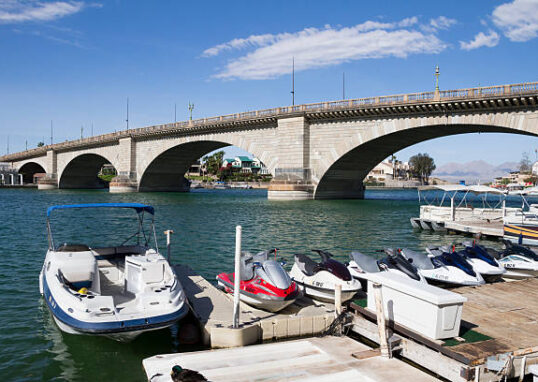
Boat Rentals Lake Havasu City for Amazing Lake Adventures
From a family getaway to a romantic getaway to a fun weekend with friends, renting a boat is one of the best...
Read out all
Experience the Thrill of Indoor Skydiving with Bodyflight Sweden
Have you ever dreamed of flying through the air like a professional skydiver but without jumping from an airplane? Modern indoor skydiving makes this...

How a Vacation Planner Turns Travel Dreams Into Booked Reality
Most people spend more time planning a kitchen renovation than they spend planning the vacation they’ve been dreaming about for years. That...
Read out all
Capturing authentic moments at the world’s best places to visit
Because of my job as a food photographer, I see every new place through my camera. Every town has its own colors,...
Read out all
Trips in Morocco: The Honest Guide to Planning One That Actually Delivers
There’s a version of a Morocco trip that looks great on Instagram and leaves you feeling vaguely hollow on the flight home....